
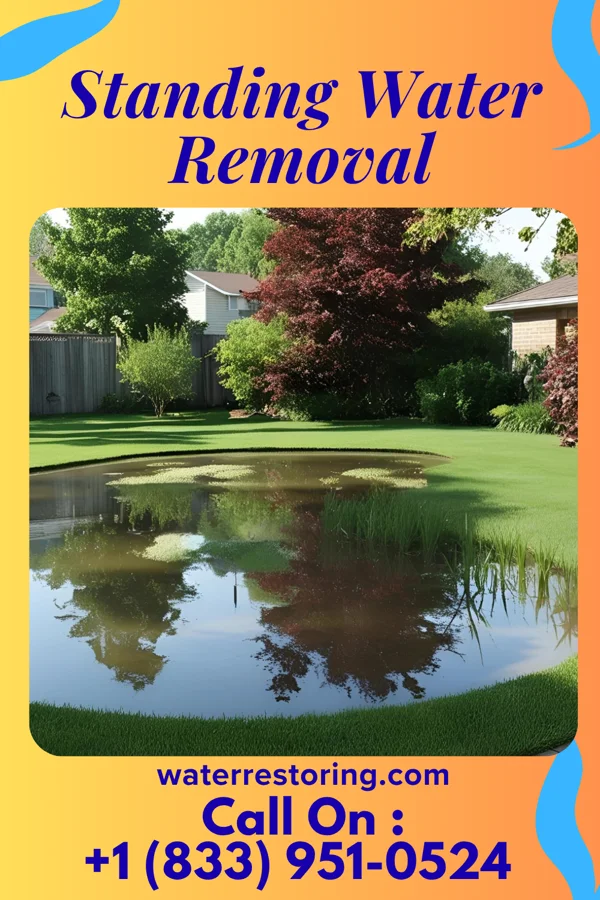
West Fork Standing Water: What Owners Should Know
Residential or commercial, water damage emergencies in West Fork keep coming back to the same drivers. In West Fork, Arkansas, the primary water damage cause is often due to heavy rainfall and flooding from the White River, which can lead to basement backups and structural water intrusion. Additionally, agricultural runoff and poor drainage in rural areas contribute to localized water issues. sits at the top of the list. A close second is Secondary causes include plumbing leaks from aging infrastructure, roof leaks during severe weather, and septic system failures in rural homes. These issues are exacerbated by the region's humid climate and frequent thunderstorms..
West Fork experiences a humid subtropical climate with heavy spring and summer rains, increasing the risk of flash flooding. The region's rural nature and proximity to the White River mean that water damage can quickly affect both residential and agricultural properties.
Water damage in West Fork follows a few local patterns. In West Fork, Arkansas, the primary water damage cause is often due to heavy rainfall and flooding from the White River, which can lead to basement backups and structural water intrusion. Additionally, agricultural runoff and poor drainage in rural areas contribute to localized water issues. accounts for the bulk of our calls. West Fork experiences a humid subtropical climate with heavy spring and summer rains, increasing the risk of flash flooding. The region's rural nature and proximity to the White River mean that water damage can quickly affect both residential and agricultural properties. Mold growth in West Fork can develop rapidly due to high humidity and frequent rainfall, making it crucial to address water damage within 48 hours to prevent health risks and structural damage.